
One Magnificent Chickpea, Three Traditional Recipes
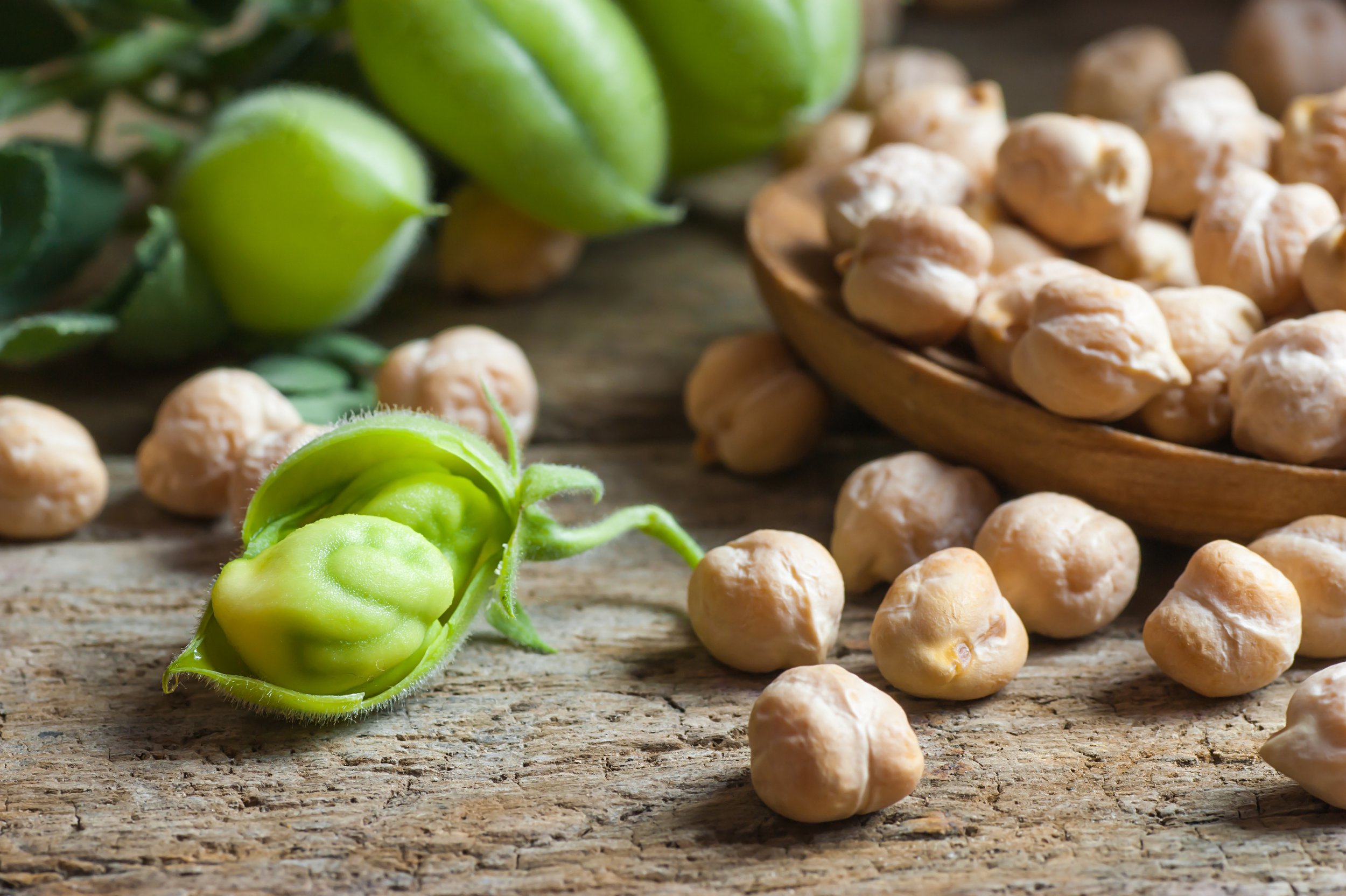
Socca, Farinata & Poodla: One Maginficent Chickpea, Three Parallel Traditions
Whenever I run into my friend Julie Marcos around Ferndale, Michigan, our conversations inevitably drift toward food. During one of those chance meetings, she shared a wonderful childhood memory from the years her family lived in Nice, France. Her father would prepare a simple street food called Socca, serving it piping hot with nothing more than a generous grinding of fresh black pepper.
As Julie described its crisp edges, creamy center, and unmistakable aroma, she seemed to disappear into the memory. Food has a remarkable ability to transport us through time, and for a moment I could almost taste it myself.
Her story immediately reminded me of another cherished dish I had learned many years earlier from friends in Gujarat, India—a savory chickpea pancake known as Poodla (also called Chilla or Cheela). Although separated by thousands of miles, these two recipes share a remarkable common thread: both are built around one of the world’s oldest cultivated foods—the humble chickpea.
Today I would add a third member to this culinary family: Farinata, the beloved specialty of Genoa and the Ligurian coast of Italy. In fact, Socca and Farinata are so closely related that many food historians consider them regional cousins. Up until 1860, Nice was part of the Kingdom of Sardinia and culturally tied to Liguria. It is easy to imagine merchants, fishermen, and home cooks carrying this wonderfully simple recipe back and forth across the Mediterranean for centuries.
The foundation of all three dishes is chickpea flour. Archaeological evidence suggests that chickpeas were first cultivated in the Fertile Crescent over 7,500 years ago before spreading throughout the Mediterranean, North Africa, India, and eventually much of the world. Most of us recognize chickpeas in hummus, falafel, soups, curries, and salads, but milling them into flour created an entirely different world of culinary possibilities. Rich in protein, naturally gluten-free, inexpensive, and shelf stable, chickpea flour became an ideal ingredient for travelers, traders, and families alike.
I’ve often wondered whether these recipes developed independently or whether they share a common ancestry carried along ancient trade routes. The Silk Road and maritime spice routes connected the Mediterranean with India for centuries, moving not only spices and textiles but also ingredients, cooking techniques, and ideas. A sack of dried chickpea flour would have been the perfect traveling food—lightweight, nutritious, and easily transformed into a satisfying meal with little more than water, oil, and a hot pan.
History offers many examples of foods evolving as cultures meet. Biryani, for example, reflects centuries of exchange between Persia and the Indian subcontinent. Likewise, Socca, Farinata, and Poodla may represent parallel traditions that grew from shared ingredients and similar needs. Whether their origins are linked by commerce or simply by human ingenuity, they demonstrate how remarkably alike our culinary traditions can be.
Each preparation reflects the personality of its homeland.
Socca is rustic and minimalist, baked in a blazing hot oven until crisp around the edges and traditionally enjoyed with plenty of cracked black pepper.
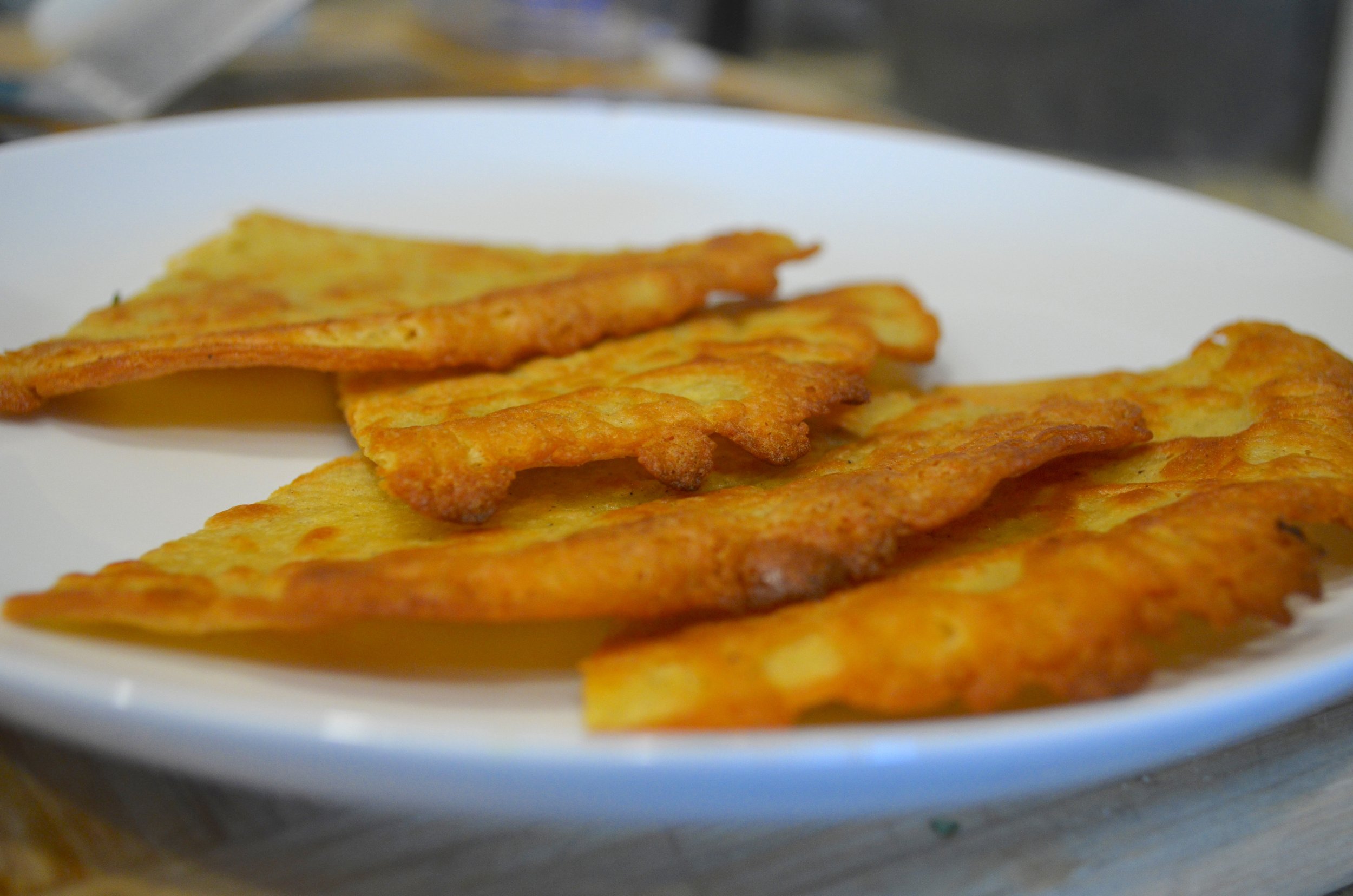
Farinata often contains only chickpea flour, water, olive oil, and salt. It is baked in large copper pans until beautifully blistered, allowing the rich flavor of good olive oil and toasted chickpeas to shine.
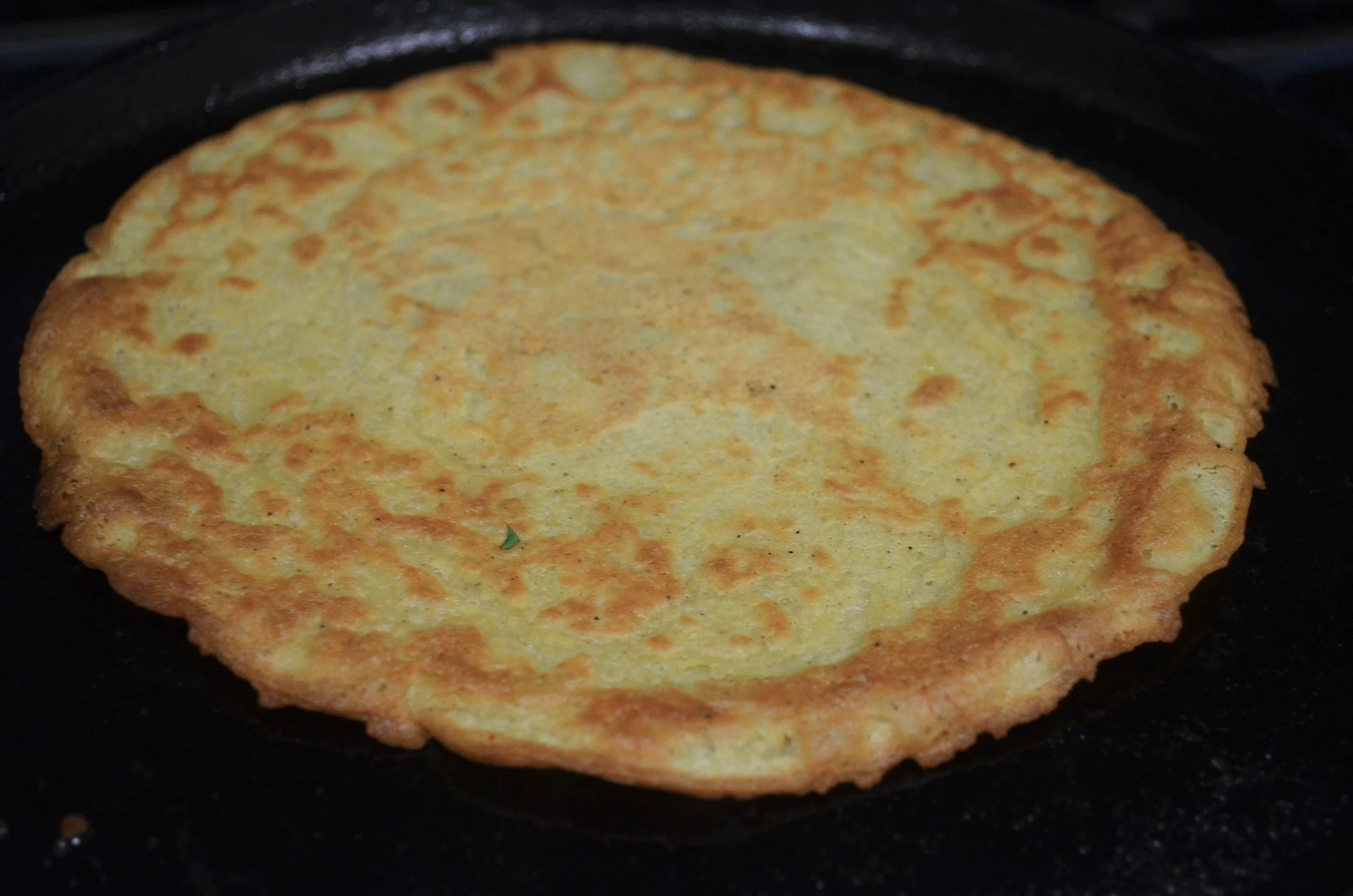
Poodla embraces the bold flavors of western India. Turmeric, fresh chiles, onion, garlic, ajwain, and fragrant fenugreek transform the humble batter into a vibrant, aromatic meal, often served with chutneys or yogurt.
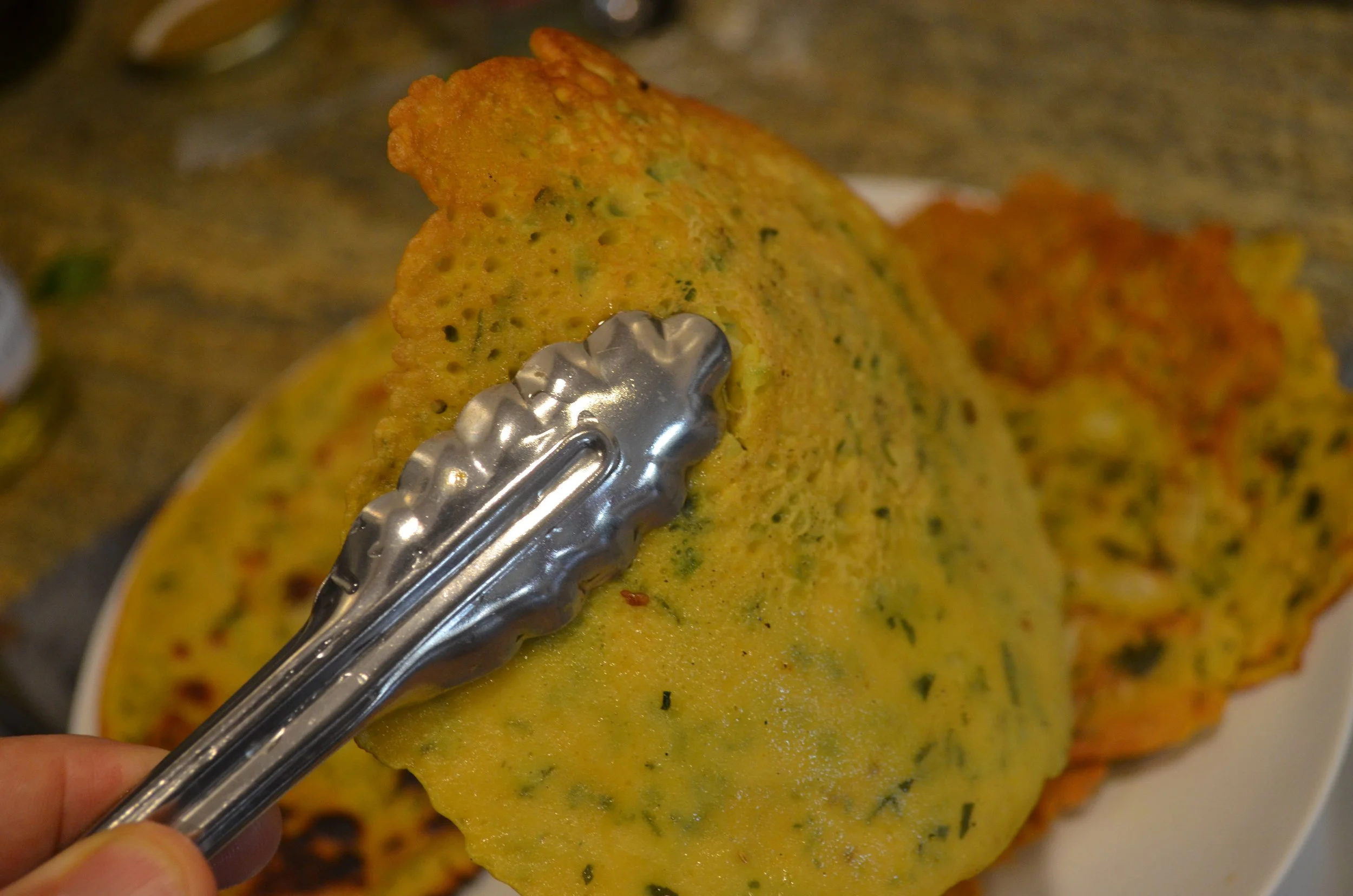
Despite their differences, each recipe celebrates simplicity and the extraordinary versatility of the chickpea. Every bite reminds us that good food often transcends geography, language, and history. Whether you’re wandering the markets of Nice, enjoying a seaside café in Genoa, or sitting in a Gujarati family kitchen, these humble pancakes tell a story that spans continents and thousands of years.
Sometimes the simplest recipes carry the richest histories.
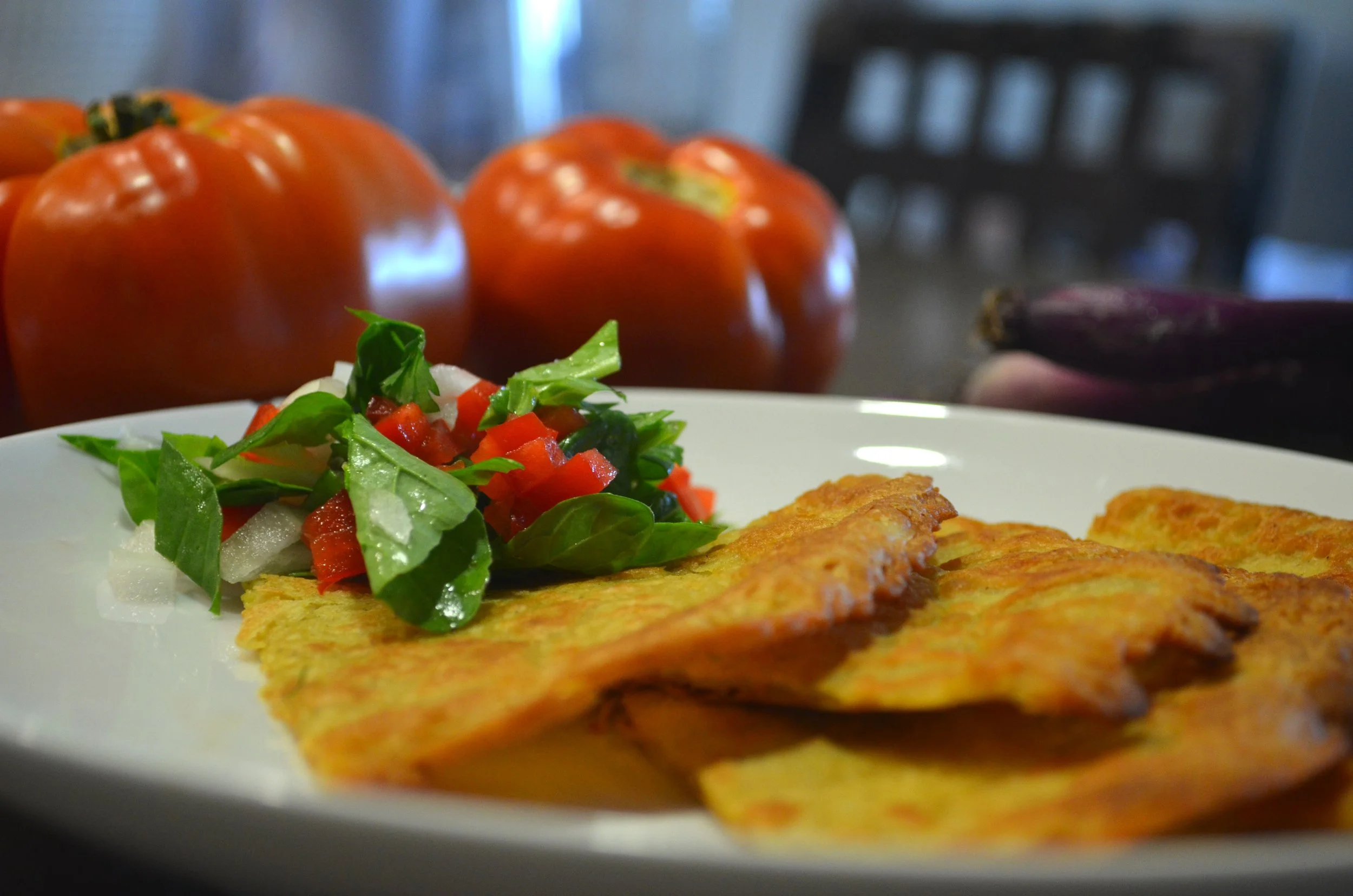
Socca Niçoise
Naturally gluten-free.
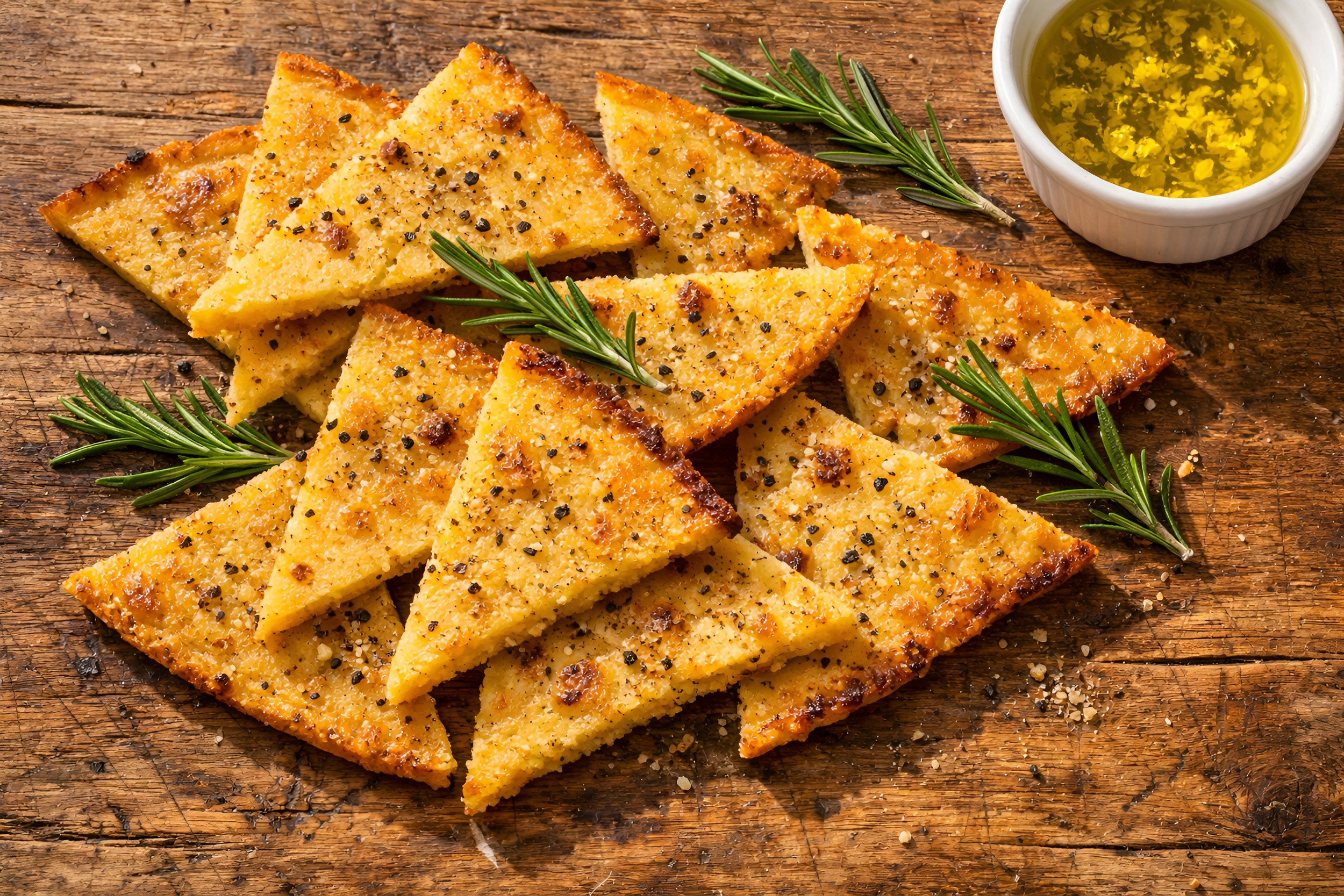
Traditional Ligurian Farinata
Naturally gluten-free.
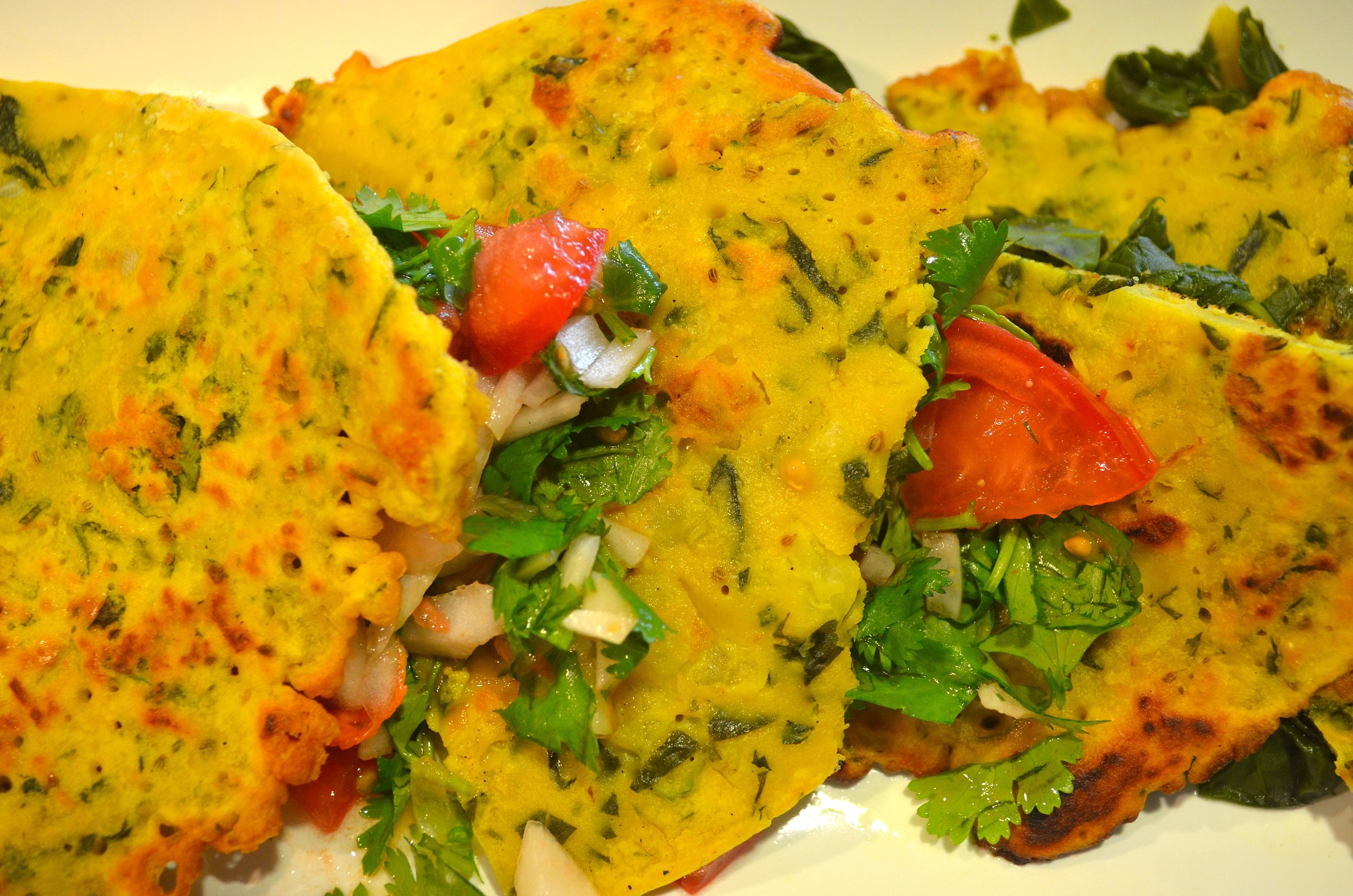
Gujarati Poodla
Naturally gluten-free.