
Harvest Vegetable Kofta for a Gathering of Detroit Chefs
It was an unprecedented occasion. Twenty-five of Detroit’s top chefs from the past forty years gathered at Chef Paul Grosz’s restaurant, Cuisine, to discuss the significant contributions our community of chefs has made to the region and to explore our collective legacy. Most important was the question of how we can continue making a difference for the generations to come. The event was inspired by chef and Detroit City of Chefs filmmaker Keith Famie who teamed up with chefs Jimmy Schmidt and Brian Polcyn to explore what is possible.
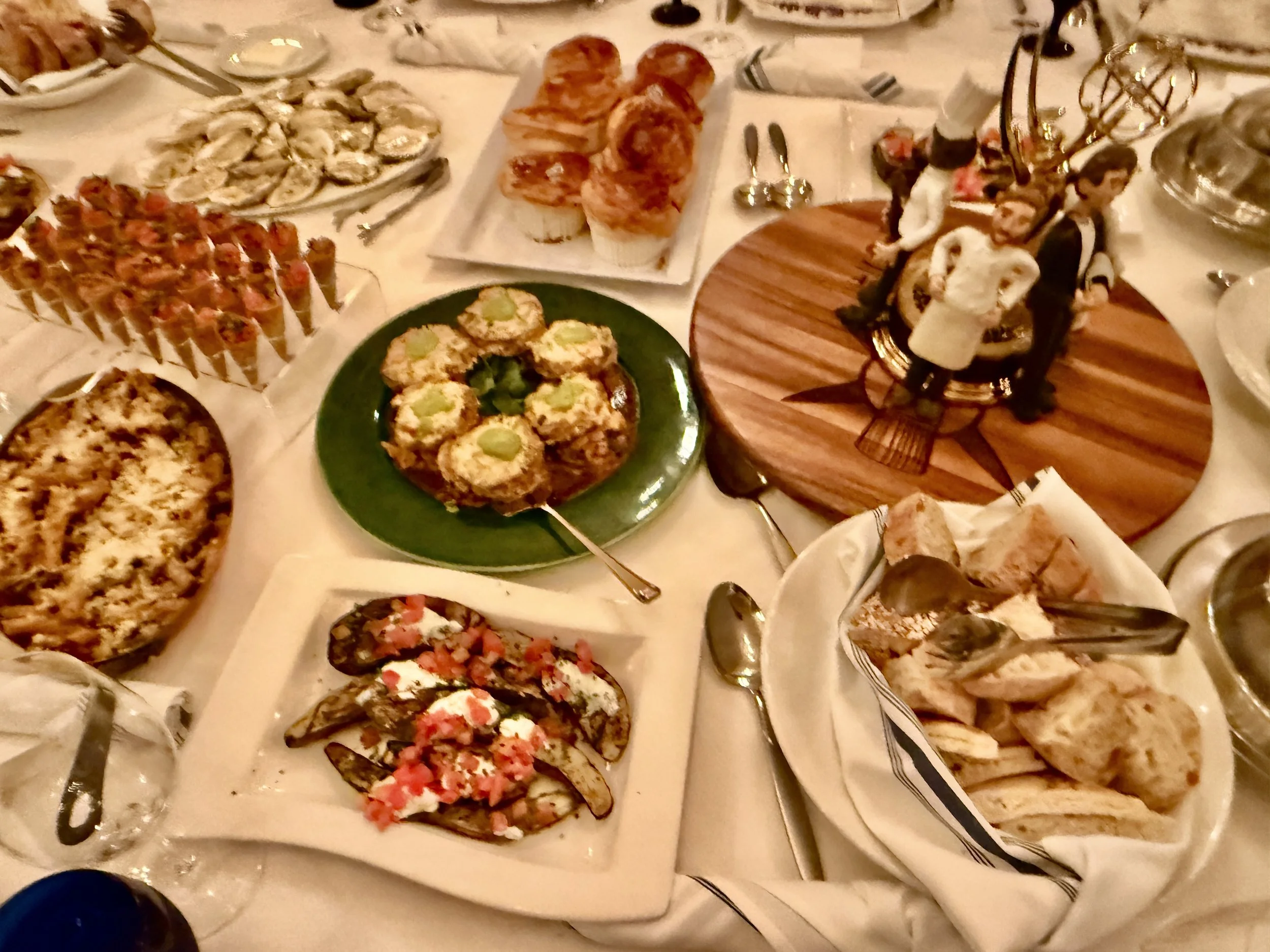
The room was filled with remarkable chefs—artists and extraordinary talents whose combined decades of achievement have helped define Detroit’s culinary identity. Some of the seasoned younger generation were represented, but many in the room were retired or approaching retirement. We all left the gathering satiated with friendship, memories and a renewed sense of promise for the future.
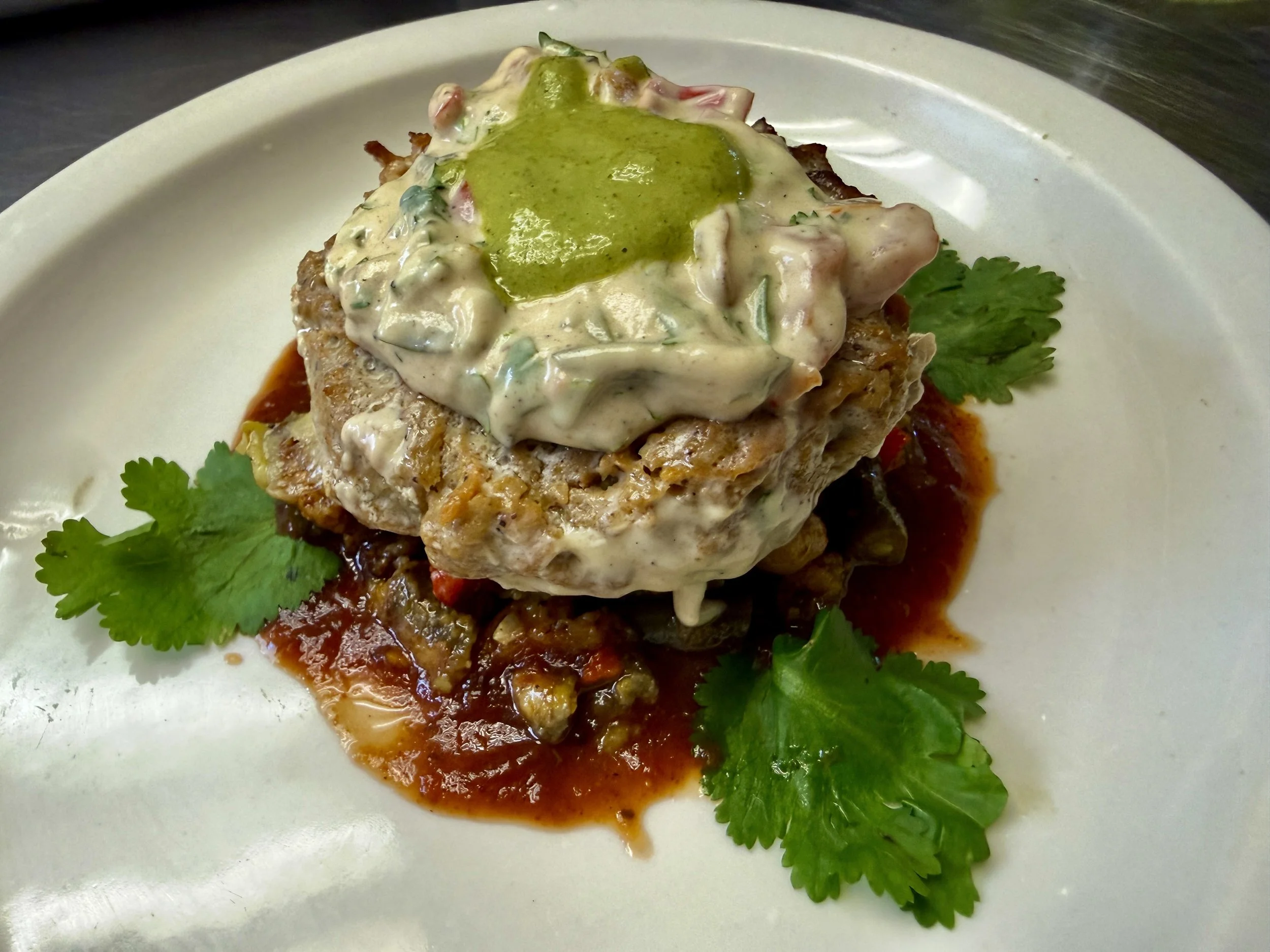
From the beginning, it was clear that my food would be the only 100% plant-based offering. I wanted the dish to stand on its own, so I designed it to be essentially a thali on a plate—a composition of complementary flavors, textures and colors inspired by Ayurvedic principles and the traditional balance of tastes.
Because the lunch was served family-style, with dishes passed from chef to chef around the table, my contribution also had to fit comfortably alongside the rest of the menu. Mild but distinctive flavors were essential: enough complexity to make the dish memorable without overwhelming the other food being shared.
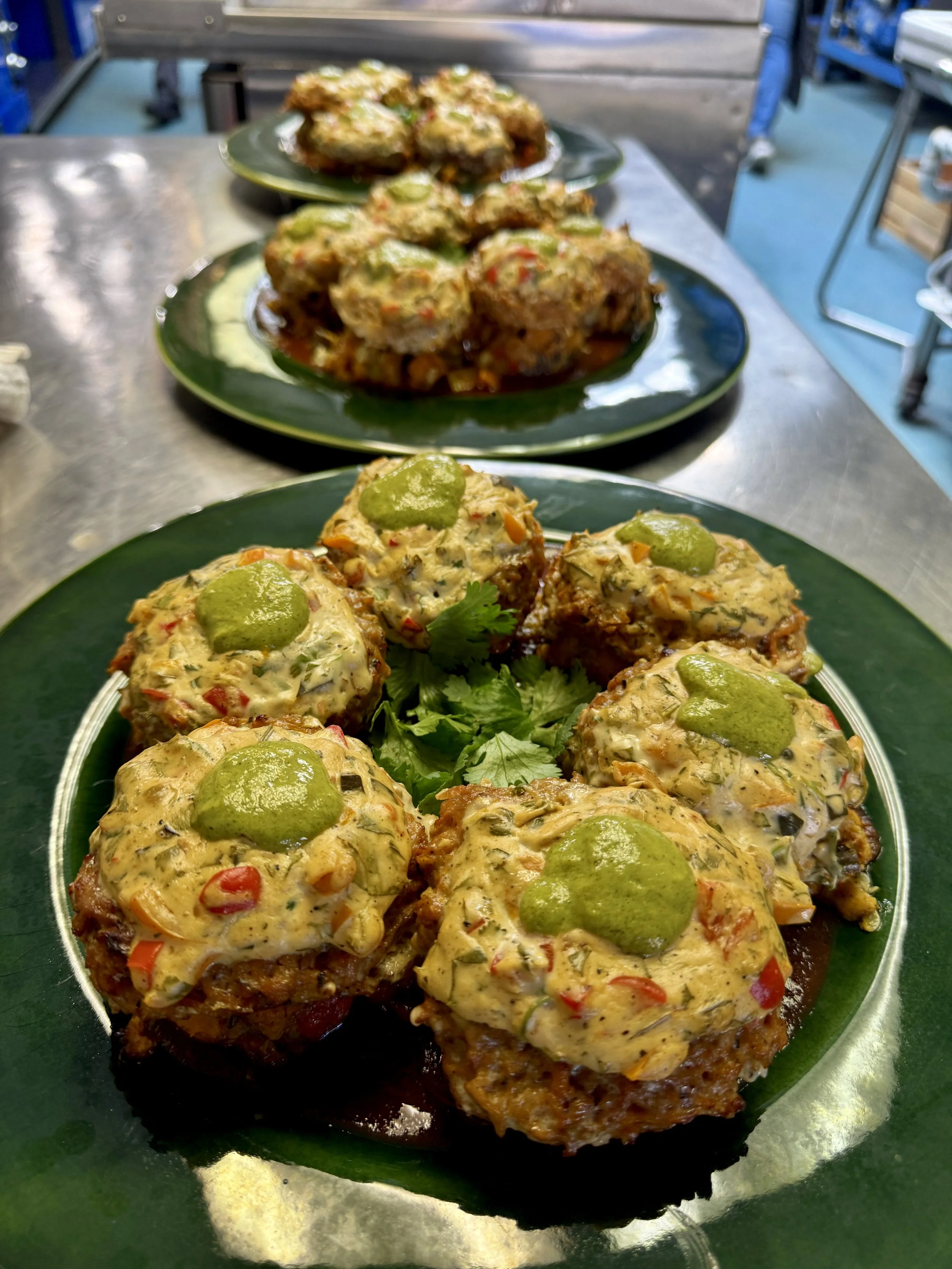
Harvest Vegetable Kofta
Kofta is a dish with roots extending across many cultures. Variations can be found throughout regions influenced by Persian, Arab and Ottoman culinary traditions, most commonly as seasoned mixtures shaped into balls or patties. Greek keftedes belong to this extended culinary family as well.
Vegetable koftas became an important part of the vast vegetarian repertoire of India, particularly in North Indian cooking, where vegetables, legumes, paneer, grains and spices could be transformed into remarkably varied dishes. This recipe is a nod to the vegetable preparations I learned in temples and homes in India.
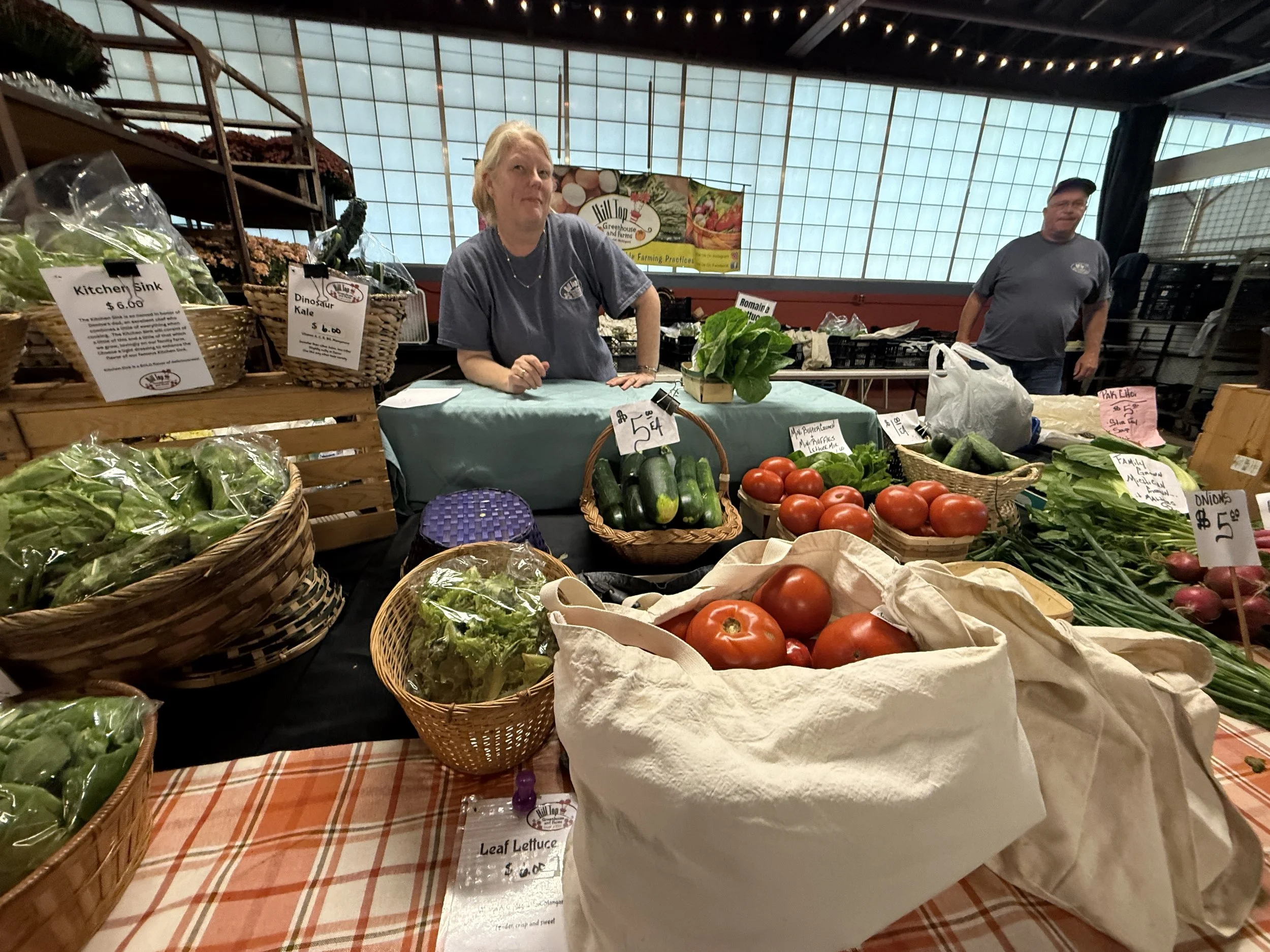
After setting up the recipe plan, I visited the Royal Oak Farmers Market to procure all the harvest vegetable ingredients. I found everything I was looking for at the Hilltop Greenhouse & Farm booth, a multi-generational vendor at the market.
Rather than frying the kofta, I chose to bake the patties, allowing the vegetables and seasonings to remain at the center of the dish. The accompanying sauces, vegetables and condiments draw from the culinary traditions of India and can be used for many other meals as well.
Fresh ingredients are particularly important here. Fenugreek leaves bring their unmistakable bittersweet aroma, while finely minced fresh curry leaves contribute a fragrant citrusy, herbaceous character that dried seasonings simply cannot duplicate.
The complete dish comes together through several individual preparations, so I have presented the recipes separately. Each can stand on its own and become part of other meals, while together they create a colorful and satisfying plant-based feast.
Most of all, Harvest Vegetable Kofta is a celebration of the season—a marvelous way to make use of the abundance and variety of vegetables available at the height of the harvest. For a gathering devoted to honoring the past while considering what we might pass on to the next generation of chefs, it seemed like exactly the right dish to bring to the table.